
A stroke can leave lasting motor, speech, or coordination challenges that persist even after formal rehabilitation ends. For some survivors, progress slows despite consistent therapy, leading to questions about additional options.
Repetitive Transcranial Magnetic Stimulation, or rTMS, is a noninvasive brain stimulation technique being studied as an adjunct to post-stroke rehabilitation. This article explains how clinicians determine whether rTMS may be considered after stroke, what evidence supports its use, and what factors matter before making a treatment decision.
Exploring rTMS after a stroke starts with a comprehensive clinical evaluation. Our team reviews your medical history, neurological stability, and recovery goals to determine if this treatment is a good fit for your care plan. Learn more about our clinical approach and consultation process on our website.
What Happens to the Brain After a Stroke?
Stroke is a leading global cause of death and disability, with an estimated 1 in 4 adults over age 25 expected to experience one in their lifetime. It occurs when blood flow to part of the brain is blocked or disrupted, depriving tissue of oxygen and nutrients. Within minutes, neurons can become injured or die.
Symptoms depend on the location and size of the stroke. Motor involvement may cause weakness or paralysis, while damage to language areas can affect speech and comprehension. Other strokes may impact balance, vision, or cognition.
Beyond the initial injury, stroke alters how brain networks communicate. The hemispheres normally function in balance, but after a stroke, the unaffected side may become relatively overactive while the injured side shows reduced excitability. This imbalance can interfere with coordinated movement and recovery.
The brain can adapt through neuroplasticity by forming new connections. Rehabilitation aims to support this process, though recovery varies and may slow or plateau over time.
How TMS Interacts With the Post-Stroke Brain
After a stroke, communication between the brain’s hemispheres can become imbalanced. This shift can interfere with coordinated movement, speech, and functional recovery. In fact, about 40% of stroke survivors are left with moderate to severe impairments that require ongoing assistance or specialized care, reflecting the extent of network disruption that can occur.
TMS is designed to influence cortical activity in targeted areas of the brain. Depending on the frequency and placement of stimulation, it can either increase activity in underactive regions or help regulate overactive ones. In stroke rehabilitation research, the goal is often to support more balanced communication between hemispheres and encourage adaptive neuroplasticity.
TMS does not restore damaged brain tissue. Its role is to help regulate neural activity in ways that may support functional recovery when combined with structured rehabilitation.
Clinical Improvements Studied So Far
Research on TMS in stroke rehabilitation has examined its potential impact across several functional domains. While findings in certain areas are promising, results are not uniform, and improvements tend to be measurable but modest.
Upper Limb Motor Recovery
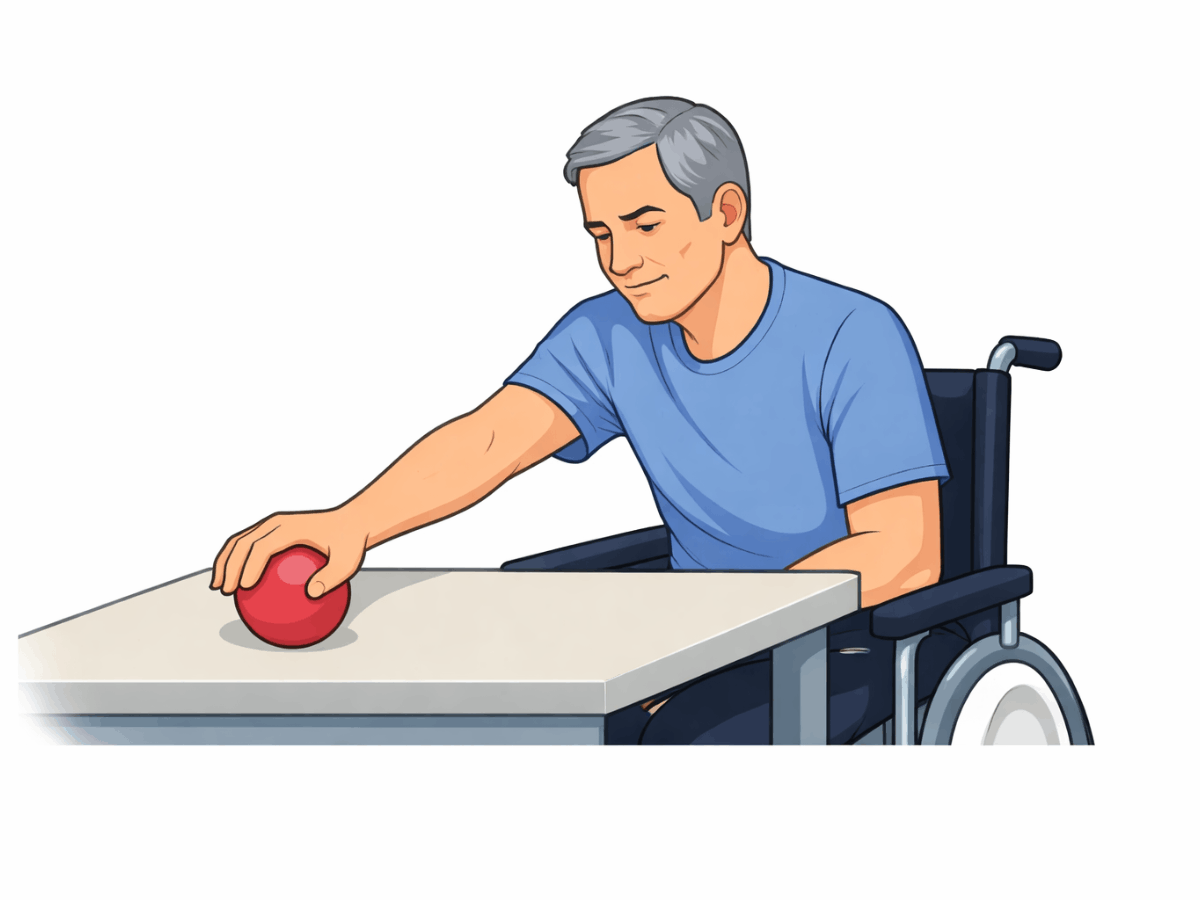
The most consistent evidence relates to upper extremity motor function. Some randomized and controlled studies suggest that when TMS is delivered alongside structured physical therapy, patients may experience gains in hand dexterity, grip strength, and task-specific motor performance. Outcomes vary based on stroke severity, lesion location, and timing of intervention.
Language Recovery in Post-Stroke Aphasia
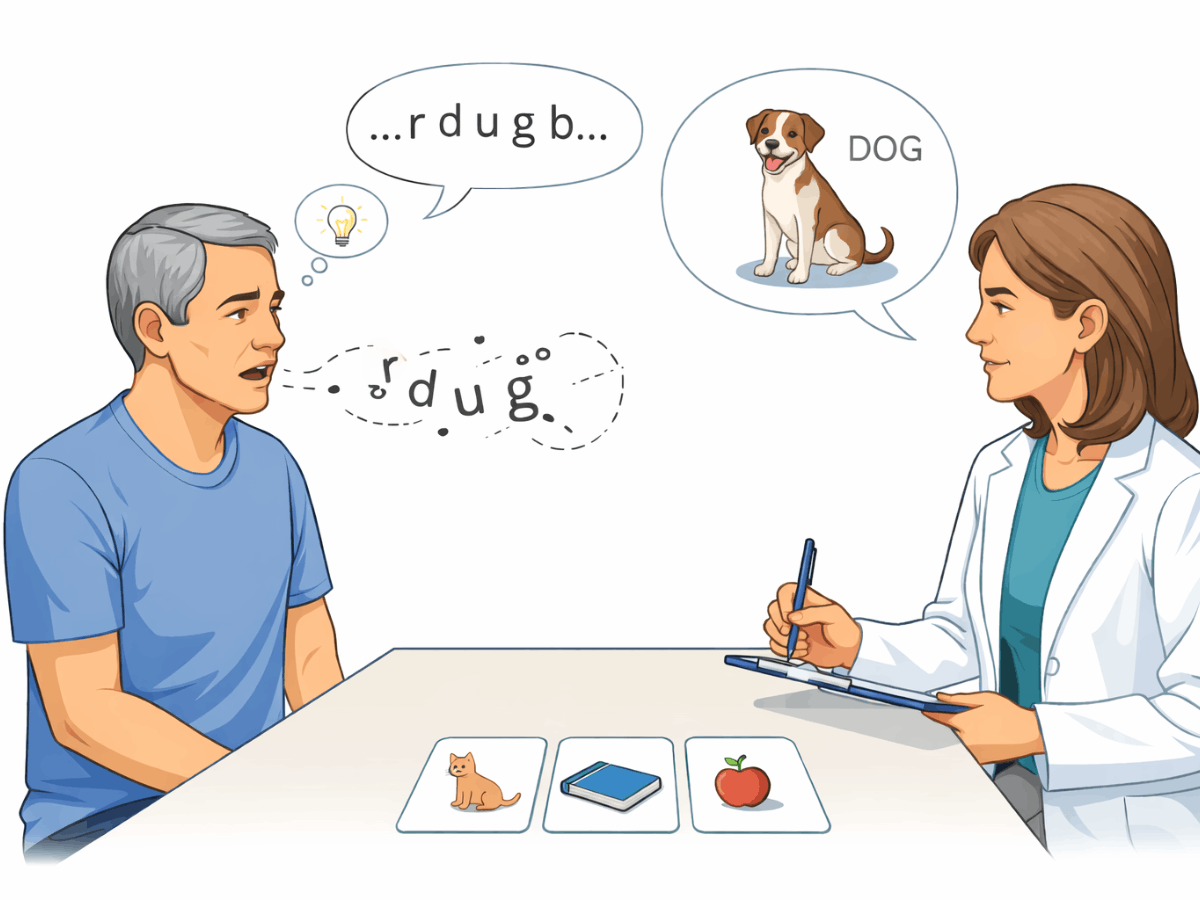
TMS has also been investigated in post-stroke aphasia. Targeted stimulation of language-related cortical regions has been associated in some trials with improvements in naming and speech fluency. Results depend heavily on individual neurological factors and treatment parameters.
Swallowing and Gait Function

Smaller studies have explored swallowing dysfunction and lower limb motor recovery. Early findings suggest possible benefit in selected patients, though evidence remains less consistent compared to upper limb studies.
Current evidence suggests that TMS may serve as an adjunct to structured rehabilitation in selected cases, but it is not considered a standalone or universally effective intervention. Ongoing findings from formal clinical research programs continue to shape how and when it may be appropriately used.
Clinical Criteria for TMS in Stroke Rehabilitation
TMS is not automatically appropriate for every stroke survivor. Determining candidacy requires a structured neurological and medical evaluation. This is particularly important given that only about 54% of hospitalized stroke patients are referred to formal rehabilitation, despite the high rate of lasting impairment. Clinicians therefore consider several key factors before recommending any adjunctive intervention:
- Medical stability: Patients should be clinically stable following their stroke. Ongoing complications, uncontrolled blood pressure, or unresolved neurological issues typically need to be addressed before introducing adjunctive therapies.
- Stage of recovery: The phase of recovery can influence response. Individuals earlier in recovery may have greater neuroplastic potential, while those in later stages may still be considered, though outcomes can be more variable.
- Stroke location and functional goals: TMS has been most commonly studied for upper limb motor impairment, post-stroke aphasia, and swallowing dysfunction. The location of the lesion and the integrity of surrounding neural networks influence whether stimulation may have functional impact.
- Seizure history and neurological risk: Because TMS affects cortical excitability, seizure history must be carefully reviewed. Although the risk of seizure during properly administered treatment is low, elevated risk requires thorough assessment.
- Participation in active rehabilitation: TMS is typically delivered alongside physical, occupational, or speech therapy. It is intended to complement structured rehabilitation rather than replace it.
A comprehensive review of these factors helps determine whether TMS has an appropriate role within an individual’s stroke rehabilitation plan.
Limitations and Why It Is Not Yet Standard Care
Research on transcranial magnetic stimulation TMS, including transcranial magnetic stimulation rTMS, continues to grow in stroke rehabilitation. However, it is not currently considered standard stroke treatment for either ischemic stroke or hemorrhagic stroke. Several factors explain this.
Variability in Research Protocols
Clinical trials differ substantially in stimulation approach. Studies use varying frequencies of repetitive transcranial magnetic stimulation. Target regions also vary, such as the primary motor cortex, motor cortex, or language areas like the inferior frontal gyrus.
Inconsistent Clinical Outcomes
Some randomized controlled trials report improvements in upper limb motor function, lower limb motor function, and walking speed. Others show limited or no significant improvement. Outcomes depend on stroke type, lesion location in the affected hemisphere, and rehabilitation intensity.
Modest Effect Sizes
When benefits occur, they are generally incremental. TMS is studied as a form of non invasive brain stimulation aimed at supporting brain plasticity and motor function recovery. It does not reverse structural brain injury or replace occupational therapy or other rehabilitation strategies.
Regulatory Considerations
TMS is FDA-cleared for major depressive disorder and post stroke depression, but not specifically for motor or cognitive stroke recovery. Larger clinical trials and systematic review and meta analysis data are still needed to clarify its long-term role.
Need for Larger, Long-Term Studies
More large-scale, controlled trials are needed to determine which stroke patients benefit most, clarify durability of effects, and establish standardized treatment protocols across acute stroke, subacute stroke patients, and chronic stroke populations.
Taken together, these limitations explain why TMS is approached cautiously in stroke care and considered individually within a comprehensive rehabilitation plan that may include coordinated case management services.
TMS Within Modern Stroke Care
TMS is being studied as a potential adjunct in stroke rehabilitation, particularly for motor and language recovery. Some evidence suggests it may help support neuroplasticity when delivered alongside structured therapy. However, results are variable, treatment protocols are not standardized, and it is not considered routine care for stroke recovery.
For certain patients, TMS may be incorporated into a comprehensive rehabilitation plan. For others, traditional therapy continues to represent the primary evidence-supported approach. Individualized assessment is essential.
A clinical consultation can help clarify whether TMS has a role within your rehabilitation plan. Our team provides structured evaluations based on neurological history, medical status, and treatment goals. Call 1-855-4CHARAK (1-855-424-2725) or fill out the contact form to request an appointment.